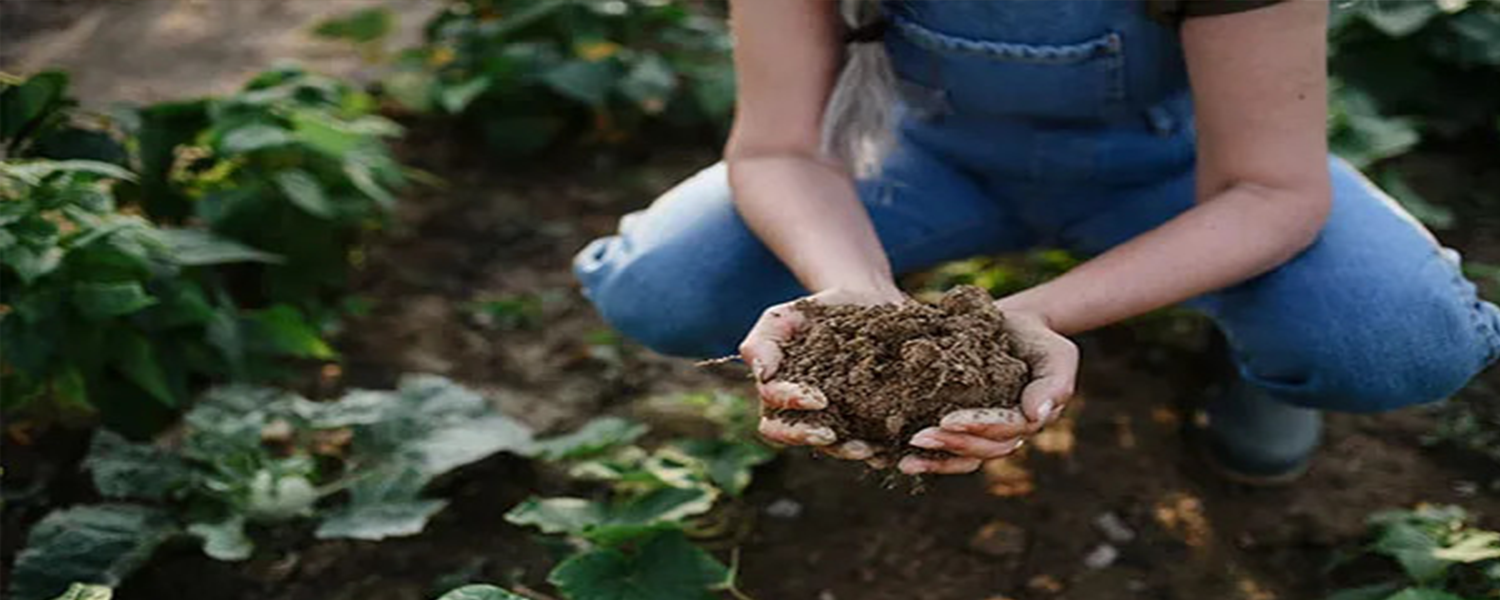
Spring is the perfect time to breathe new life into your garden. As temperatures rise and plants emerge from winter dormancy, proper preparation can set the stage for a healthy, vibrant, and productive growing season. Whether you’re planting flowers, vegetables, herbs, or shrubs, taking the time to prepare your garden in early spring will help ensure stronger plants, better yields, and fewer maintenance issues throughout the year.
Why Spring Garden Preparation Matters
A well-prepared garden provides plants with the nutrients, drainage, and growing conditions they need to thrive. Spring preparation helps remove winter debris, improve soil quality, prevent pests and diseases, and create an ideal environment for healthy growth. Investing a little effort at the beginning of the season can save time and frustration later.
Clean Up Your Garden
The first task of spring gardening is clearing away the remnants of winter.
What to Remove:
- Dead leaves and plant debris
- Broken branches and fallen twigs
- Weeds that emerged during winter
- Diseased plant material from the previous season
Cleaning your garden improves its appearance and helps prevent pests and diseases from spreading to new plants.
S Inspect and Improve Your Soil
Healthy soil is the foundation of a successful garden. After winter, soil may become compacted and depleted of nutrients.
Soil Preparation Tips:
- Loosen compacted soil with a garden fork or tiller.
- Remove rocks, roots, and debris.
- Add compost or well-rotted manure to enrich the soil.
- Test soil pH and nutrient levels if possible.
- Incorporate organic matter to improve drainage and moisture retention.
Well-prepared soil promotes stronger root development and healthier plant growth.
Plan Your Garden Layout
Before planting, take time to organize your garden space.
Consider
- Sunlight exposure throughout the day
- Plant spacing requirements
- Companion planting opportunities
- Accessibility for watering and maintenance
- Crop rotation for vegetable gardens
A thoughtful layout helps maximize space and encourages healthy plant development.
Prune Trees and Shrubs
Early spring is an excellent time to prune many trees and shrubs before new growth begins.
Benefits of Pruning:
- Removes dead or damaged branches
- Encourages healthy growth
- Improves air circulation
- Enhances flowering and fruit production
- Maintains plant shape and size
Always research the specific pruning needs of each plant species before trimming.
Prepare Garden Beds
Freshly prepared garden beds provide an ideal environment for planting.
Garden Bed Preparation:
- Edge garden borders for a neat appearance.
- Remove persistent weeds.
- Add fresh compost.
- Rake the surface smooth.
- Apply a layer of mulch after planting.
Well-maintained beds improve both aesthetics and plant health.
Start Planting Cool-Season Crops
Many vegetables and flowers can be planted early in the spring.
Popular Cool-Season Vegetables:
- Lettuce
- Spinach
- Kale
- Peas
- Radishes
- Carrots
Early Spring Flowers:
- Pansies
- Snapdragons
- Primroses
- Violas
These plants thrive in cooler temperatures and can often tolerate light frosts.
Check Irrigation Systems
Inspect watering equipment before the growing season begins.
What to Check:
- Garden hoses for leaks
- Drip irrigation systems
- Sprinkler heads and timers
- Water pressure and coverage
Efficient irrigation helps conserve water while ensuring plants receive consistent moisture.
Apply Mulch
Mulching is one of the most beneficial tasks for spring gardens.
Benefits of Mulch:
- Conserves soil moisture
- Suppresses weed growth
- Regulates soil temperature
- Improves soil quality over time
- Enhances the appearance of garden beds
Organic mulches such as bark, straw, shredded leaves, or wood chips are excellent choices.
Fertilize Wisely
Plants need nutrients to support vigorous spring growth.
Fertilizing Tips:
- Use compost whenever possible.
- Apply slow-release fertilizers according to plant needs.
- Avoid over-fertilizing, which can damage roots and encourage excessive foliage growth.
- Follow package instructions carefully.
Balanced nutrition helps plants develop strong roots, foliage, flowers, and fruits.
Watch for Pests and Diseases
As temperatures warm, garden pests become more active.
Preventive Measures:
- Inspect plants regularly.
- Remove affected leaves promptly.
- Encourage beneficial insects such as ladybugs and pollinators.
- Maintain proper spacing for airflow.
- Avoid overhead watering when possible.
Early intervention can prevent minor issues from becoming major infestations.
Essential Spring Gardening Tools
Having the right tools makes garden preparation easier and more efficient.
Must-Have Tools:
- Garden gloves
- Hand trowel
- Pruning shears
- Garden fork
- Rake
- Watering can or hose
- Wheelbarrow
- Soil testing kit
Keeping tools clean and sharp also helps improve gardening results.
Common Spring Gardening Mistakes to Avoid
- Planting too early before the last frost date
- Overwatering newly planted seedlings
- Ignoring soil preparation
- Overcrowding plants
- Neglecting weed control
- Using too much fertilizer
Avoiding these mistakes can significantly improve the success of your garden.
Final Thoughts
Spring garden preparation is the key to a healthy and productive growing season. By cleaning up your garden, improving soil quality, planning your layout, and providing proper care from the start, you can create a thriving outdoor space filled with beautiful flowers, lush greenery, and abundant harvests. A little preparation now will reward you with a vibrant garden that flourishes throughout spring, summer, and beyond.