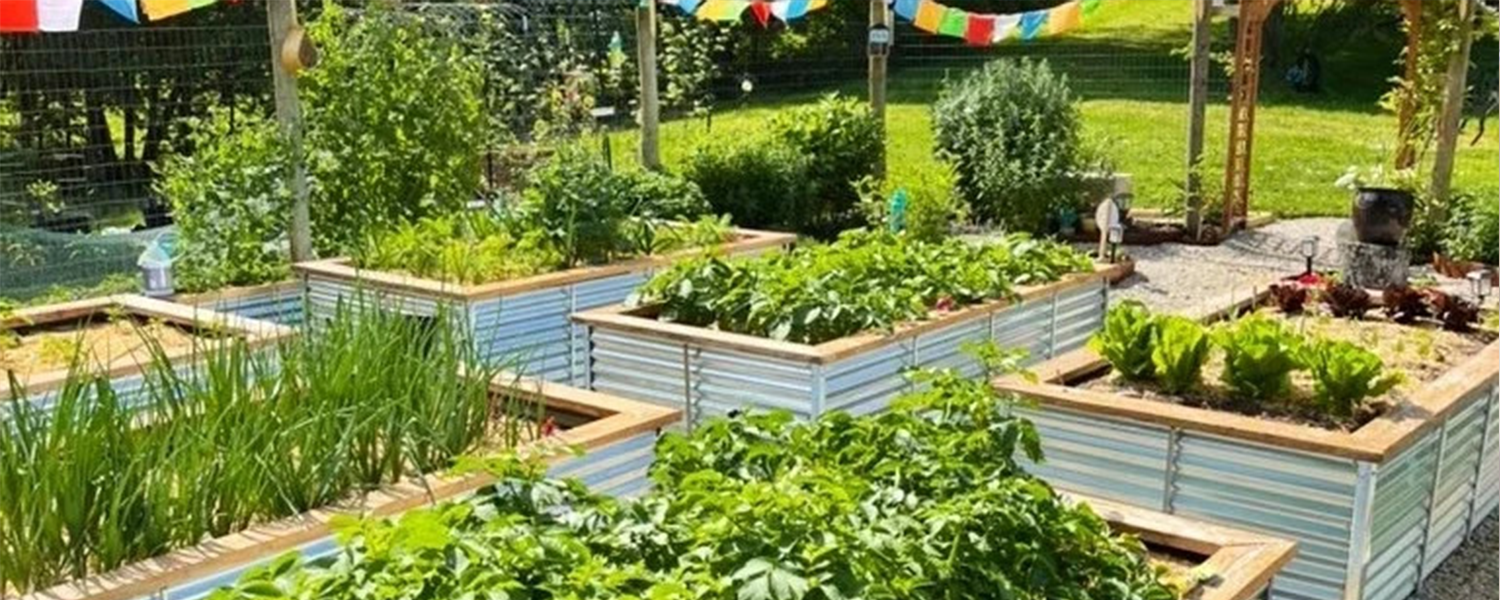
Raised garden beds have become one of the most popular gardening solutions for homeowners, and for good reason. They offer better soil control, improved drainage, easier maintenance, and higher yields compared to traditional in-ground gardens. Whether you’re growing vegetables, herbs, flowers, or a combination of plants, building your own raised garden bed is a rewarding project that can transform your outdoor space and make gardening more accessible.
This beginner-friendly guide will walk you through everything you need to know about DIY raised garden beds, from planning and construction to planting and maintenance.
What Is a Raised Garden Bed?
A raised garden bed is a gardening structure where soil is elevated above ground level and contained within a frame made of wood, metal, stone, or other materials. Raised beds can be built in various sizes and heights, making them suitable for gardens of all shapes and sizes.
Unlike traditional garden plots, raised beds allow gardeners to create ideal growing conditions while minimizing common challenges such as poor soil quality, weeds, and drainage issues.
Benefits of Raised Garden Beds
Before starting your project, it’s important to understand why raised beds are so popular.
Improved Soil Quality
You have complete control over the soil composition, allowing you to create the perfect growing environment for your plants.
Better Drainage
Raised beds prevent waterlogging and help excess moisture drain away more efficiently.
Fewer Weeds
The contained growing area reduces weed growth and makes weed management easier.
Easier Maintenance
Raised beds require less bending and kneeling, making gardening more comfortable for people of all ages.
Longer Growing Season
The soil in raised beds warms up faster in spring, allowing for earlier planting.
Higher Productivity
Healthy soil and improved growing conditions often lead to better harvests and stronger plants.
Choosing the Right Location
Location is one of the most important factors in the success of your raised garden bed.
Consider These Factors:
Sunlight
Most vegetables and flowering plants need at least 6–8 hours of direct sunlight daily.
Water Access
Choose a location near a water source for convenient irrigation.
Drainage
Avoid low-lying areas where water tends to collect after rainfall.
Accessibility
Place beds where you can easily reach all sides for planting, watering, and harvesting.
A well-chosen location can significantly improve plant growth and reduce maintenance.
Selecting Materials for Your Raised Bed
Raised garden beds can be built from various materials depending on your budget and aesthetic preferences.
Popular Options
Untreated Wood
- Cedar
- Redwood
- Pine (less durable but budget-friendly)
Metal
- Galvanized steel
- Corrugated metal panels
Stone or Brick
- Long-lasting and attractive
- Excellent for permanent installations
Composite Materials
- Rot-resistant
- Low maintenance
- Eco-friendly options available
For beginners, untreated cedar is often the preferred choice due to its durability and natural resistance to decay.
Determining the Ideal Size
The size of your raised bed should balance planting space with accessibility.
Recommended Dimensions
- Width: 3–4 feet (90–120 cm)
- Length: 6–8 feet (180–240 cm)
- Height: 10–18 inches (25–45 cm)
Keeping beds narrow enough to reach the center without stepping into them helps prevent soil compaction.
Tools and Materials You’ll Need
Basic Materials:
- Wooden boards or chosen building material
- Screws or nails
- Landscape fabric (optional)
- Soil and compost
Essential Tools:
- Measuring tape
- Drill or screwdriver
- Saw (if cutting wood)
- Level
- Garden rake
- Shovel
- Wheelbarrow
Most beginner raised-bed projects can be completed with simple tools and minimal carpentry experience.
Step-by-Step Guide to Building a Raised Garden Bed
Measure and Mark the Area
Use stakes and string to outline the dimensions of your garden bed.
Prepare the Ground
Remove grass, weeds, and debris from the area. Level the surface as much as possible.
Assemble the Frame
Attach boards securely using screws or brackets to create a sturdy rectangular frame.
Position the Bed
Place the frame in its final location and ensure it is level.
Add Weed Barrier (Optional)
Landscape fabric or cardboard can help suppress weeds while still allowing water drainage.
Fill with Soil
Add a mixture of:
- Quality topsoil
- Compost
- Organic matter
A common blend is:
- 60% topsoil
- 30% compost
- 10% organic amendments
This creates a nutrient-rich growing medium.
Choosing Plants for Your Raised Bed
Raised beds are suitable for a wide variety of plants.
Vegetables
- Tomatoes
- Lettuce
- Carrots
- Peppers
- Cucumbers
- Spinach
Herbs
- Basil
- Parsley
- Thyme
- Oregano
- Chives
Flowers
- Marigolds
- Zinnias
- Petunias
- Cosmos
- Nasturtiums
Many gardeners combine vegetables, herbs, and flowers to improve pollination and pest management.
Companion Planting in Raised Beds
Companion planting involves growing compatible plants together for mutual benefits.
Examples
- Tomatoes and basil
- Carrots and onions
- Lettuce and radishes
- Cucumbers and nasturtiums
Companion planting can improve growth, reduce pests, and maximize space.
Watering Raised Garden Beds
Raised beds typically drain faster than traditional gardens and may require more frequent watering.
Watering Tips
- Water deeply rather than lightly.
- Check soil moisture regularly.
- Water early in the morning.
- Use drip irrigation if possible.
- Apply mulch to retain moisture.
Consistent watering promotes healthy root development and higher yields.
Mulching for Better Results
Mulch provides several important benefits.
Benefits
- Conserves soil moisture
- Reduces weeds
- Regulates soil temperature
- Improves soil quality over time
Organic mulch options include:
- Straw
- Shredded leaves
- Wood chips
- Grass clippings
Apply a 2–3 inch layer around plants for optimal results.
Fertilizing Your Raised Bed Garden
Nutrient-rich soil is essential for healthy plant growth.
Fertilization Options
- Compost
- Organic fertilizers
- Worm castings
- Fish emulsion
- Balanced slow-release fertilizers
Regular soil enrichment helps maintain productivity throughout the growing season.
Common Raised Bed Gardening Mistakes
Avoid these beginner mistakes:
Overcrowding Plants
Follow spacing recommendations to improve airflow and reduce disease.
Poor Soil Quality
Invest in quality soil from the beginning.
Inadequate Watering
Monitor moisture levels regularly, especially during hot weather.
Ignoring Sunlight Requirements
Choose plants that match your garden’s light conditions.
Skipping Mulch
Mulching saves time and improves growing conditions.
Expanding Your Raised Bed Garden
As your gardening skills grow, consider adding:
- Additional raised beds
- Vertical trellises
- Drip irrigation systems
- Composting areas
- Pollinator gardens
- Protective row covers
Raised bed gardening is highly adaptable and can expand to fit your needs over time.
Final Thoughts
DIY raised garden beds are an excellent project for beginner gardeners looking to create a productive, attractive, and easy-to-maintain garden. With proper planning, quality materials, and nutrient-rich soil, raised beds provide ideal growing conditions for vegetables, herbs, flowers, and more.
Whether you’re working with a small backyard, a large garden space, or even a compact urban lot, raised garden beds offer a practical solution for growing healthy plants and enjoying the many rewards of gardening. By following this beginner’s guide, you’ll be well on your way to building a thriving garden that produces beautiful blooms and abundant harvests season after season.