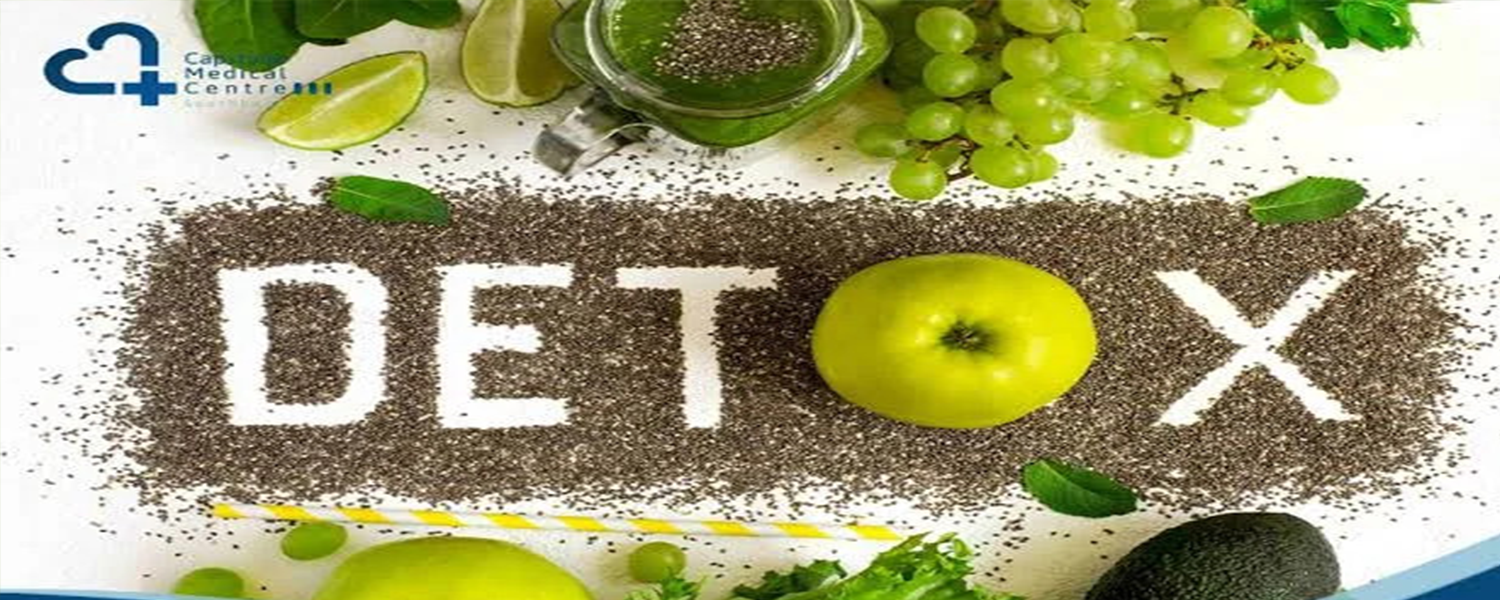
Detox diets are everywhere—from juice cleanses to herbal teas promising to “flush out toxins” and reset your body in just a few days. They often sound like a quick solution for weight loss, clearer skin, and better energy. But when you look closely, the truth is more balanced—and far less dramatic.
Your body already has a powerful, built-in detox system. The real question isn’t whether you need a detox diet, but whether these trends actually help or just create temporary changes.
What “Detox” Really Means
In marketing, “detox” often sounds like removing harmful toxins from your body. In reality, your body already handles this naturally.
Your Natural Detox Organs
- Liver
- Kidneys
- Lungs
- Skin
- Digestive system
These organs work 24/7 to filter waste and keep your system balanced—no special diet required.
The Appeal of Detox Diets
Detox diets are popular because they promise fast results.
Common Claims
- Rapid weight loss
- Cleansing toxins
- Improved digestion
- Glowing skin
- Increased energy
While some people feel better temporarily, the reasons are usually simpler than advertised.
What Actually Works (The Real Benefits)
Some parts of detox diets can be helpful—but they’re not “detox magic.”
Drinking More Water
Hydration supports kidney function and overall health.
Eating Whole Foods
Fruits, vegetables, and whole grains improve nutrient intake and digestion.
Cutting Processed Foods
Reducing sugar, fried foods, and packaged snacks naturally improves health.
Getting Better Sleep
Sleep helps your body repair and regulate important systems.
Light Physical Activity
Movement supports circulation and metabolism.
These habits support your body—not detox it.
What Doesn’t Work in Detox Diets
Many detox methods are not backed by science and may even be harmful.
Juice Cleanses
- Low in protein and fiber
- Can cause energy crashes
- Not sustainable for long-term health
Extreme Fasting or Starvation Diets
- Risk of nutrient deficiencies
- Can slow metabolism
- May cause fatigue and weakness
Detox Teas and Supplements
- Limited scientific evidence
- May act as laxatives, not detoxifiers
- Can disrupt digestion
“Quick Fix” Detox Programs
- Often lead to temporary water weight loss
- Do not burn real fat effectively
Why People Feel Better After Detox Diets
Many people report feeling “lighter” or more energetic—but this is usually due to:
- Cutting out junk food
- Drinking more water
- Eating smaller portions
- Paying more attention to health
These positive changes—not detoxing—are responsible for the results.
The Body’s Real Detox Process
Your body is constantly cleaning itself naturally.
How It Works
- Liver processes and breaks down substances
- Kidneys filter waste through urine
- Digestive system removes solid waste
- Skin releases sweat and toxins
- Lungs remove carbon dioxide
This system works best when supported by healthy habits.
Better Alternatives to Detox Diets
Instead of short-term cleanses, focus on sustainable health habits.
Long-Term Healthy Choices
- Balanced meals with whole foods
- Regular hydration
- Consistent sleep schedule
- Daily movement or exercise
- Limiting processed foods
These habits support real, lasting health.
Common Mistakes People Make
- Believing in “quick fixes”
- Following extreme diets
- Ignoring nutrition balance
- Overusing supplements or teas
- Expecting instant results
Real health improvements take time and consistency.
Final Thoughts
Detox diets may sound appealing, but most of their benefits come from simple lifestyle changes—not from eliminating toxins. Your body is already fully equipped to detox itself. What it really needs is consistent support through healthy eating, hydration, sleep, and movement.
Instead of chasing fast fixes, focus on habits that actually improve your well-being in the long run. True health is built daily, not reset in a few days.