Mental health is just as important as physical health, yet it is often overlooked in our busy daily routines. Stress has become a common part of modern life, affecting people of all ages. While some stress is normal, too much of it can impact your mood, energy, focus, and overall well-being.
The good news is that stress can be managed with simple daily habits and mindful practices. This guide will help you understand how to reduce stress and improve your mental well-being in everyday life.
Why Mental Health Matters
Good mental health helps you think clearly, manage emotions, and cope with challenges. It also improves relationships, productivity, and overall quality of life.
Benefits of Good Mental Health
- Better emotional balance
- Improved focus and decision-making
- Healthier relationships
- Increased productivity
- Greater resilience to stress
Taking care of your mind is essential for a healthy life.
Understanding Stress
Stress is the body’s natural response to pressure or challenges. It can be caused by work, studies, relationships, or personal expectations.
Common Signs of Stress
- Constant fatigue
- Irritability or mood swings
- Difficulty sleeping
- Lack of focus
- Headaches or body tension
Recognizing stress early helps you manage it better.
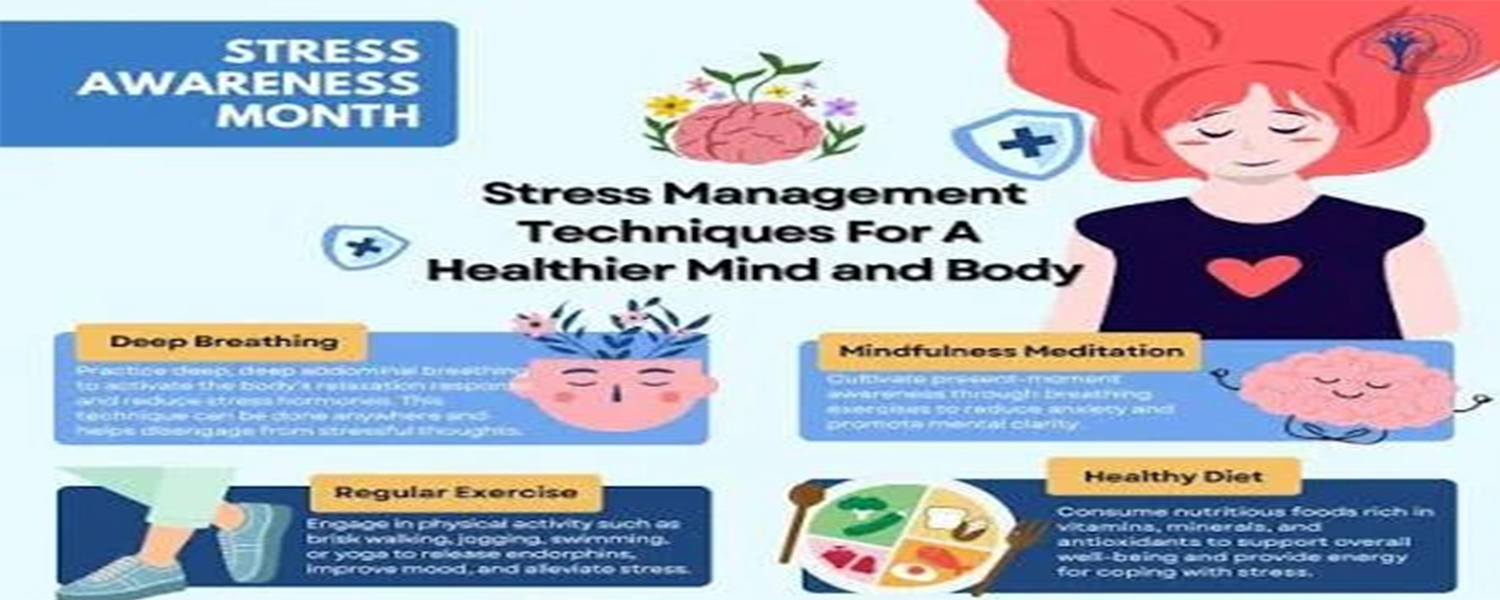
Practice Deep Breathing
Deep breathing is one of the simplest and most effective ways to calm the mind.
How It Helps
- Slows heart rate
- Reduces anxiety
- Promotes relaxation
Try This
Inhale slowly for 4 seconds, hold for 4 seconds, and exhale for 4 seconds. Repeat several times.
Stay Physically Active
Exercise is a powerful stress reliever.
Benefits
- Releases endorphins (feel-good hormones)
- Improves sleep
- Reduces tension
Even a short walk can help clear your mind.
Maintain a Healthy Routine
A structured routine helps reduce uncertainty and mental pressure.
Tips
- Wake up and sleep at consistent times
- Plan your daily tasks
- Avoid overloading your schedule
A balanced routine brings stability to your day.
Limit Screen Time and Social Media
Too much screen time can increase stress and anxiety.
Try to
- Take regular digital breaks
- Avoid excessive scrolling
- Spend time offline
Reducing screen time helps your mind relax.
Get Enough Sleep
Sleep plays a major role in mental health.
Benefits of Good Sleep
- Improves mood
- Reduces stress levels
- Enhances focus
Aim for 7–9 hours of quality sleep each night.
Talk About Your Feelings
Sharing your thoughts can lighten emotional pressure.
You Can Talk To
- Friends
- Family
- Trusted individuals
- Mental health professionals
Expressing yourself helps you feel supported and understood.
Practice Mindfulness
Mindfulness means focusing on the present moment without judgment.
Simple Practices
- Meditation
- Deep breathing
- Observing your surroundings
- Focusing on one task at a time
Mindfulness helps reduce overthinking.
Take Breaks When Needed
Constant work without rest can increase stress levels.
Break Ideas
- Short walks
- Listening to music
- Stretching
- Quiet relaxation
Breaks improve productivity and mental clarity.
Eat a Balanced Diet
Food also affects your mood and stress levels.
Include
- Fresh fruits and vegetables
- Whole grains
- Healthy fats
- Plenty of water
Avoid too much caffeine or processed food.
Do Things You Enjoy
Hobbies help you relax and recharge.
Examples
- Reading
- Gardening
- Drawing
- Cooking
- Listening to music
Doing what you love reduces stress naturally.
Avoid Overthinking
Overthinking increases anxiety and mental pressure.
Tips
- Focus on solutions, not problems
- Write down your thoughts
- Stay present in the moment
Letting go of unnecessary thoughts brings peace.
Common Stress Management Mistakes
- Ignoring stress symptoms
- Overworking without rest
- Relying only on distractions
- Avoiding social support
- Not maintaining healthy habits
Small changes can make a big difference.
Final Thoughts
Mental health awareness is essential for living a balanced and fulfilling life. Stress is a normal part of life, but it should not control your daily routine. By practicing simple habits like deep breathing, staying active, sleeping well, and maintaining balance, you can significantly reduce stress and improve your mental well-being.
Taking care of your mind is not a luxury—it is a necessity. A calm and healthy mind leads to a happier, more productive life.