As more homeowners look for ways to reduce their environmental impact, sustainable gardening has become an increasingly popular approach to creating beautiful and productive outdoor spaces. Sustainable gardening focuses on working with nature rather than against it, conserving resources, reducing waste, and supporting local ecosystems. By adopting eco-friendly gardening practices, you can cultivate a thriving garden while protecting the environment for future generations.
Whether you have a large backyard, a small urban garden, or a balcony filled with container plants, sustainable gardening techniques can help you create a healthier, more resilient landscape that benefits both your home and the planet.
What Is Sustainable Gardening?
Sustainable gardening is the practice of growing plants in a way that minimizes environmental impact while maximizing the health and productivity of your garden. It emphasizes natural processes, resource conservation, biodiversity, and long-term soil health.
The key goals of sustainable gardening include:
- Conserving water
- Improving soil quality naturally
- Reducing chemical use
- Supporting pollinators and wildlife
- Minimizing waste
- Lowering carbon emissions
- Creating self-sustaining garden ecosystems
A sustainable garden not only looks beautiful but also contributes positively to the environment.
Benefits of Sustainable Gardening
Implementing eco-friendly gardening practices offers numerous advantages.
Environmental Benefits
- Conserves natural resources
- Reduces pollution and chemical runoff
- Supports biodiversity
- Improves air quality
- Helps combat climate change
Personal Benefits
- Lower gardening costs
- Healthier fruits and vegetables
- Reduced maintenance requirements
- Improved soil fertility
- Enhanced outdoor enjoyment
By making small changes, gardeners can create meaningful environmental benefits over time.
Build Healthy Soil Naturally
Healthy soil is the foundation of any sustainable garden. Rich, living soil supports plant growth, retains moisture, and reduces the need for synthetic fertilizers.
Ways to Improve Soil Naturally
- Add compost regularly
- Use organic mulch
- Plant cover crops
- Avoid excessive tilling
- Incorporate aged manure
- Leave grass clippings on lawns
Healthy soil contains beneficial microorganisms that help plants access nutrients more efficiently.
Start Composting at Home
Composting is one of the most effective ways to reduce household waste while improving garden soil.
Materials You Can Compost
- Fruit and vegetable scraps
- Coffee grounds
- Tea bags
- Eggshells
- Leaves
- Grass clippings
- Shredded paper
Benefits of Composting
- Reduces landfill waste
- Improves soil structure
- Adds valuable nutrients
- Enhances moisture retention
- Reduces the need for chemical fertilizers
A simple backyard compost bin can provide a continuous supply of nutrient-rich organic matter.
Conserve Water Efficiently
Water conservation is a critical aspect of sustainable gardening.
Water-Saving Techniques
- Install drip irrigation systems
- Water early in the morning
- Collect rainwater in barrels
- Use mulch to reduce evaporation
- Choose drought-tolerant plants
- Group plants with similar water needs together
Efficient watering practices help reduce water waste while keeping plants healthy.
Choose Native Plants
Native plants are naturally adapted to local climate conditions and often require less maintenance than non-native species.
Advantages of Native Plants
- Require less water
- Need fewer fertilizers
- Resist local pests and diseases
- Support pollinators and wildlife
- Thrive in regional conditions
Native gardens create valuable habitats while reducing resource consumption.
Encourage Pollinators
Pollinators play a crucial role in plant reproduction and food production.
Pollinator-Friendly Plants
- Lavender
- Coneflowers
- Bee balm
- Sunflowers
- Salvia
- Milkweed
Ways to Attract Pollinators
- Plant a variety of flowering species
- Provide water sources
- Avoid pesticide use
- Include plants that bloom throughout the growing season
A pollinator-friendly garden supports bees, butterflies, hummingbirds, and other beneficial species.
Reduce Chemical Use
Synthetic pesticides and fertilizers can harm beneficial insects, contaminate water sources, and damage soil health.
Eco-Friendly Alternatives
- Organic fertilizers
- Neem oil treatments
- Companion planting
- Hand removal of pests
- Beneficial insects such as ladybugs
- Homemade natural pest sprays
Integrated pest management focuses on prevention and natural control methods.
Practice Mulching
Mulch is one of the simplest and most effective sustainable gardening tools.
Benefits of Mulch
- Conserves moisture
- Suppresses weeds
- Regulates soil temperature
- Prevents erosion
- Improves soil quality as it decomposes
Organic mulches such as wood chips, straw, shredded leaves, and bark are excellent choices.
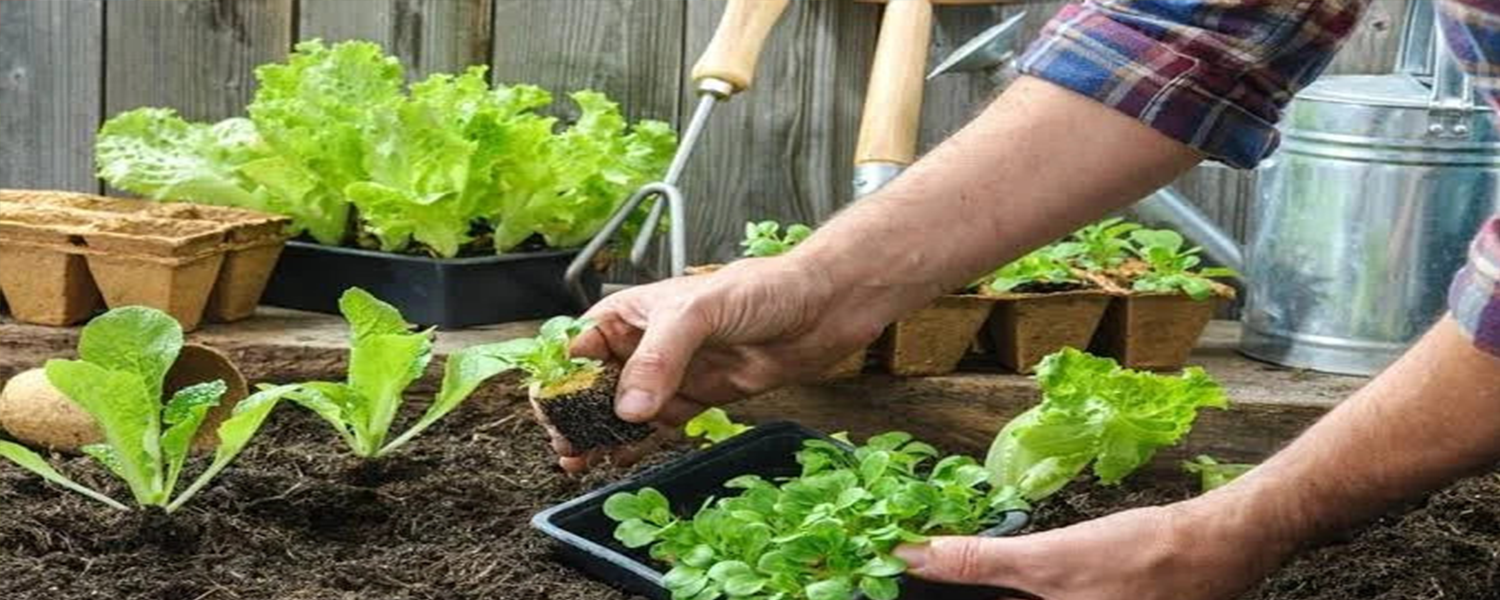
Grow Your Own Food
Home food production reduces transportation emissions and provides fresh, nutritious produce.
Easy Crops for Beginners
- Tomatoes
- Lettuce
- Spinach
- Herbs
- Radishes
- Peppers
Even small gardens or container setups can produce a surprising amount of food.
Create Wildlife Habitats
A sustainable garden welcomes beneficial wildlife that contributes to a balanced ecosystem.
Wildlife-Friendly Features
- Bird feeders
- Bird baths
- Pollinator gardens
- Native shrubs
- Nesting boxes
- Small ponds
Encouraging biodiversity helps create a naturally resilient landscape.
Reduce Lawn Areas
Traditional lawns often require significant water, fertilizer, and maintenance.
Eco-Friendly Lawn Alternatives
- Native groundcovers
- Wildflower meadows
- Clover lawns
- Vegetable gardens
- Pollinator habitats
Reducing lawn size can lower resource consumption while increasing biodiversity.
Reuse and Recycle Garden Materials
Sustainability also involves minimizing waste through creative reuse.
Upcycling Ideas
- Use old containers as planters
- Repurpose wooden pallets
- Reuse rain barrels
- Create garden edging from reclaimed materials
- Build compost bins from recycled wood
Repurposing materials reduces costs and prevents unnecessary waste.
Plant Trees and Shrubs
Trees are among the most beneficial additions to any sustainable landscape.
Benefits of Trees
- Absorb carbon dioxide
- Provide shade
- Improve air quality
- Reduce energy costs
- Support wildlife habitats
Strategically planted trees can make a significant environmental impact over time.
Sustainable Gardening for Small Spaces
Even apartment dwellers can practice sustainable gardening.
Small-Space Eco-Friendly Ideas
- Balcony herb gardens
- Vertical gardens
- Container vegetables
- Indoor composting systems
- Water-efficient planters
Sustainability can be incorporated into gardens of any size.
Common Sustainable Gardening Mistakes
Avoid these common pitfalls:
- Overwatering plants
- Overusing fertilizers
- Planting invasive species
- Ignoring soil health
- Excessive tilling
- Removing beneficial insects
- Neglecting biodiversity
A balanced approach leads to healthier plants and ecosystems.
Final Thoughts
Sustainable gardening is more than just a trend—it’s a practical and responsible way to create beautiful outdoor spaces while protecting the environment. By improving soil naturally, conserving water, supporting pollinators, reducing chemical use, and embracing biodiversity, you can cultivate a garden that thrives in harmony with nature.
Every eco-friendly choice, no matter how small, contributes to a healthier planet. Whether you’re growing vegetables, flowers, herbs, or native plants, sustainable gardening allows you to enjoy a vibrant, productive garden while making a positive impact on the environment and future generations.