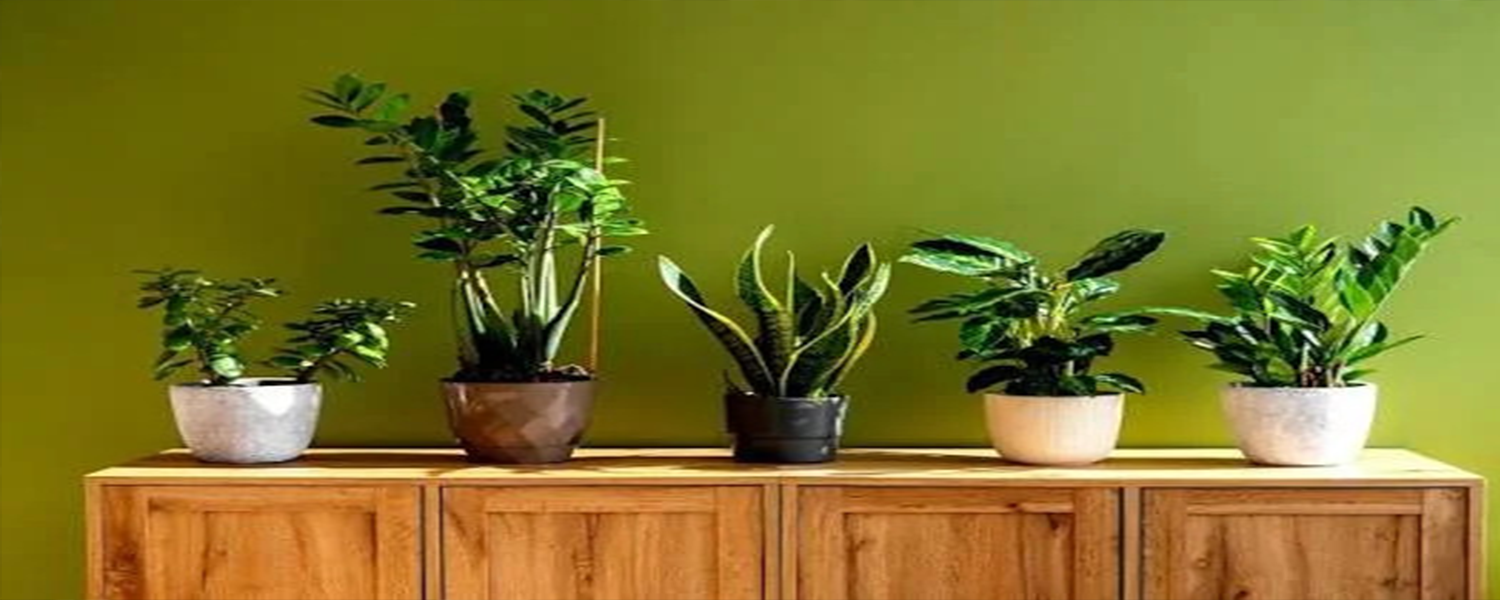
Bringing indoor plants into your home is one of the easiest ways to enhance your living space. Not only do plants add natural beauty and color, but they can also create a calming atmosphere and help improve air quality. If you’re new to plant care, getting started may seem overwhelming, but with the right knowledge and a few beginner-friendly plants, you can build a thriving indoor garden with confidence.
Why Choose Indoor Plants?
Indoor plants offer numerous benefits beyond their visual appeal. They can help reduce stress, boost mood, increase productivity, and make any room feel more welcoming. Whether you live in a small apartment or a large house, indoor plants can transform your environment and bring a touch of nature indoors.
Best Indoor Plants for Beginners
Snake Plant
Snake plants are among the easiest houseplants to care for. They tolerate low light, require minimal watering, and are highly resilient, making them perfect for beginners.
Pothos
Pothos plants are known for their trailing vines and heart-shaped leaves. They grow well in various lighting conditions and are forgiving if you occasionally forget to water them.
Spider Plant
Spider plants are fast-growing, adaptable, and easy to maintain. They produce small offshoots that can be propagated to create new plants.
ZZ Plant
The ZZ plant thrives on neglect and can survive in low-light environments. Its glossy green leaves add elegance to any indoor space.
Peace Lily
Peace lilies are beautiful flowering plants that prefer indirect light and moderate watering. They also provide a sophisticated touch to home décor.
Understanding Light Requirements
One of the most important factors in plant care is providing the right amount of light.
- Low Light: Suitable for snake plants, ZZ plants, and some varieties of pothos.
- Medium Light: Ideal for spider plants and peace lilies.
- Bright Indirect Light: Most tropical houseplants thrive in bright but indirect sunlight.
Observe your home’s lighting conditions before selecting plants to ensure they receive the appropriate amount of light.
Watering Basics
Overwatering is one of the most common mistakes beginners make. Most indoor plants prefer soil that dries slightly between waterings.
Watering Tips:
- Check soil moisture with your finger before watering.
- Water thoroughly until excess drains from the pot.
- Avoid letting plants sit in standing water.
- Reduce watering during colder months when growth slows.
Choosing the Right Pot and Soil
Healthy roots need proper drainage. Select pots with drainage holes to prevent water buildup. Use a quality potting mix designed for indoor plants, as garden soil can become compacted and hinder root growth.
Maintaining Humidity
Many indoor plants originate from tropical environments and appreciate higher humidity levels.
Ways to increase humidity include:
- Grouping plants together.
- Using a humidifier.
- Placing a tray of water near plants.
- Occasionally misting humidity-loving species.
Common Indoor Plant Problems
Yellow Leaves
Often caused by overwatering, poor drainage, or insufficient light.
Brown Leaf Tips
May result from low humidity, underwatering, or excessive fertilizer use.
Drooping Plants
Can indicate either too much or too little water. Check soil moisture to determine the cause.
Pests
Inspect plants regularly for common pests such as spider mites, aphids, and mealybugs. Early detection makes treatment much easier.
Easy Plant Care Routine for Beginners
- Check plants weekly for watering needs.
- Wipe dust from leaves to improve light absorption.
- Rotate plants occasionally for even growth.
- Remove dead or damaged leaves.
- Fertilize lightly during the growing season.
Decorating with Indoor Plants
Indoor plants can enhance virtually any room. Place larger plants in empty corners, use hanging planters to maximize vertical space, and display smaller plants on shelves, desks, or windowsills. Mixing different plant shapes and sizes creates visual interest and adds character to your home.
Final Thoughts
Starting your indoor gardening journey doesn’t have to be complicated. By choosing beginner-friendly plants, understanding basic care requirements, and developing a simple maintenance routine, you can enjoy healthy, thriving houseplants year-round. With patience and consistency, even first-time plant owners can create a beautiful indoor oasis that brings life, freshness, and natural beauty into their home.